Houston is a city of micro-markets. Heights bungalows trade by feel, Midtown mid-rises compete on amenities, and west-side estates sell on craftsmanship and grounds. In a market this diverse, visuals are not a nice-to-have, they are a price-setting variable. After years working with Houston brokers, builders, and property managers, I have seen one pattern hold: listings that invest in disciplined, context-aware imagery reach more qualified buyers faster, with fewer price discussions. That is the niche where Luminis Media real estate photography has carved out an edge.
What “results” look like in Houston terms
In a seller’s market, results show up as days shaved from the timeline and fewer contingencies. In a balanced or cooler cycle, results look like stable list-to-sale ratios while competing homes chase reductions. With Luminis Media real estate photos and video, I have watched several Houston agents report stronger online engagement in the first 48 hours, which matters because most buyer momentum is set early. We are not talking vanity metrics alone, but directional indicators that track to offers: higher save counts on HAR, stronger click-through on syndicated portals, and more showing requests in that first weekend window.
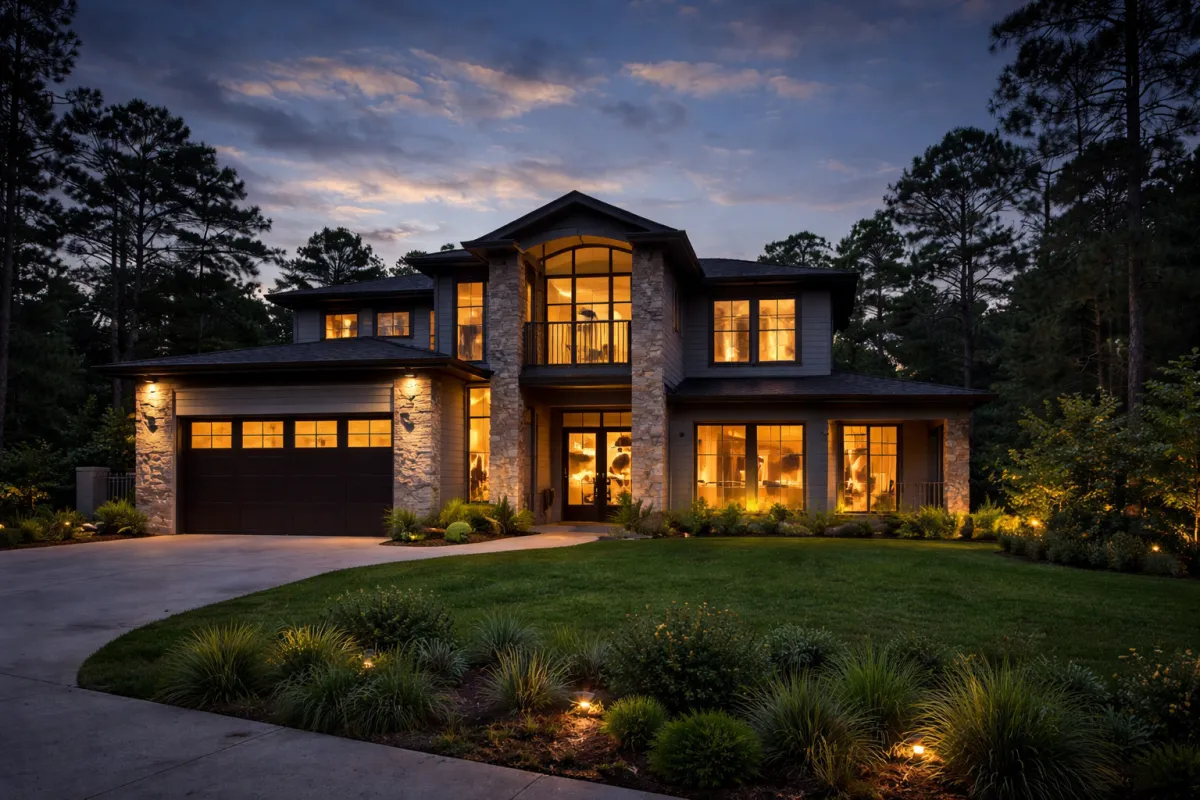
A west U listing last spring is a practical example. The house had clean lines, but the agent’s initial DIY shots flattened the space and underplayed the mature oak canopy. We reshot with luminis.media real estate photography, timed for late afternoon with dappled light on the lawn, plus a twilight set that made the indoor-outdoor flow obvious. The relisted package went from soft interest to three back-to-back private tours. The agent linked it to the photos and video because nothing else in the copy or pricing changed.
I do not claim that imagery alone sells homes. Pricing, condition, and agent follow-through matter. But strong visuals reduce friction, and in Houston’s car-first, map-driven search experience, friction reduction is often the difference between drive-by and showing.
The Luminis approach: local rigor meets marketing intent
Real estate photography Luminis Media has developed a consistent planning approach that respects the realities of Houston. This city’s light is intense by midday most of the year, the humidity throws color, and our sudden showers complicate scheduling. Shooting to a national stylebook rarely translates.
With luminis.media real estate photography, the process starts with a short planning call. The goal is not just a shot list, but an understanding of how the property will be positioned. A Montrose cottage that wins on charm needs tighter vignettes and detail texture, from original glass doorknobs to the way morning light hits the breakfast nook. A Memorial new build that sells on volume and finish quality needs wide, rectified verticals and clean lines to convey scale without distortion. These are different photographic languages.
One hallmark of Luminis Media property photography is the discipline around vertical control and honest perspective. Houston buyers are sophisticated, and the MLS is strict about misrepresentation. We correct for barrel distortion, keep verticals straight to avoid the funhouse look, and resist the temptation to pull walls unnaturally. If a room is small, we make it inviting through composition and light, not by pretending it is twice the size.
Timing, light, and the texture of Houston
The city has three workable exterior windows most of the year: a soft early morning, a pre-noon Luminis Media real estate photography slot on overcast days, and late afternoon into blue hour. Midday sun in July will bleach stucco and clip highlights unless you plan carefully. For exteriors, Luminis Media listing photography tends to favor late-day sessions that put structure into shade and accent landscaping, with a separate twilight window for the hero set if the property has outdoor lighting or pool features.
Interiors require different discipline. Mixed color temperatures are common here: warm pendants, cool can lights, daylight from windows. If you do not balance them, white walls go green, and white cabinets pick up magenta from counter reflections. Luminis Media real estate photography uses a layered approach: ambient frames for mood and window view, controlled flash frames to bring color neutrality, and careful blending to keep it believable. Window pulls are used with restraint. Buyers want to see the real view, not an HDR postcard pasted behind glass. In River Oaks, for instance, the tree canopy outside is part of the value, but it should look like it does at that time of day.
Houston’s humidity also creates a subtle haze that can flatten distant backgrounds in exteriors and drone work. Luminis teams compensate with polarizers and a touch of dehaze in post, careful not to push into crunchy skies that feel artificial. When storms roll through around 3 p.m., a quick reschedule to blue hour can salvage the day, and in my experience, twilight photos often outperform daytime shots for click-through on mid- to high-end listings.
Composition choices that sell the lifestyle, not just the square footage
I often see galleries that feel like museum records, one frame per room, nothing more. Useful for documentation, not for persuasion. Real estate photography luminis.media leans on narrative grouping. The kitchen is not a box, it is the hub that connects to the breakfast nook, the keeping room, and the patio. We show those connections. A shot over the island toward the slider with soft bokeh on the pendant edges puts a viewer where they will stand at 6 p.m. While friends spill onto the deck. That is lifestyle, and buyers respond to it.
Details matter more than agents expect. In a Garden Oaks midcentury, the restored terrazzo was the soul of the house. We composed low to let it lead. In a Midtown townhome, the challenge was a narrow great room. Here, luminis.media property photography used a diagonal composition from the far corner to emphasize depth, then followed with a compression shot from the stair landing to clarify furniture scale. That sequence prevented showings from ending with “looks smaller than I thought.”
Aerials and the truth about drone work inside the Beltway
Aerials are a powerful differentiator in Houston, but they are not a given. Hobby and Bush airspace makes parts of the city more complex. A Luminis Media real estate photographer with Part 107 certification will check airspace maps and pursue LAANC authorization where required. Around the med center and near downtown corridors, we sometimes pivot from actual drone to mast or elevated pole solutions to stay within regulations while still achieving perspective. I would rather cancel a drone flight than risk a fine or safety issue. Clients get a quick read on feasibility during the booking call so they can set expectations with sellers.
When we do fly, the goal is context. For a Heights bungalow, the best frame may be a modest 80 to 120 feet up, revealing shade canopies, a short walk to 19th Street, and a hint of skyline distance. For a Katy acreage listing, higher altitude communicates land use and fence lines. Luminis Media property photography pairs these with ground exteriors to keep the gallery grounded in human-scale experience.
Video that holds attention, not seconds
There is video, and there is watchable video. Luminis Media real estate videography avoids two common mistakes: sluggish pacing and aimless camera movement. A typical cut for a 3,000 to 4,000 square foot home runs 60 to 90 seconds for social and 90 to 120 for portal embeds. Gimbal moves are anchored to architectural logic, not just smooth for the sake of it. We build sequences that preview flow: entry to sightline, kitchen to patio, primary suite to bath. Music is licensed properly to avoid takedowns, and we create a vertical cut for Reels and Shorts because that is where a surprising number of early impressions now originate.
In a Bellaire new build, the video carried the builder’s craftsmanship with tight cutaways of joinery, then widened out to show room scale. The agent told me the buyer had seen the home briefly in person, but it was the video posted on luminis.media real estate videography portfolio that convinced them to return with family the next day.
Editing ethics and MLS compliance
There is a fine line between enhancement and misrepresentation. Luminis Media real estate photos follow HAR rules around sky replacement, fixture change, and digital staging. Sky swaps are acceptable when they represent plausible conditions and do not conceal issues like roof staining. We disclose virtual staging on each frame and, when possible, include an unstaged counterpart for transparency. Televisions are turned off in post, cords are tidied, and lens flares from can lights are removed, but we do not erase power lines, neighbor houses, or road noise cues.
Turnaround typically runs next-day for photos, with video in 48 to 72 hours depending on complexity. Rush is possible, but at a premium because quality control still matters. File delivery includes MLS-compliant resolutions and a social set sized for Instagram, Facebook, and Google Business posts. Naming conventions are consistent so agents can find and repurpose assets across platforms without rework.
Preparing a property without turning the seller’s life upside down
One reason listings underperform is clutter. Not dirt, just daily life that makes rooms feel busy and small. I have seen transformations happen with 45 minutes of focused prep. When time is tight, these are the five moves that deliver outsized gains:
- Clear surfaces that read in-frame, especially kitchen counters and bathroom vanities, leaving one or two lifestyle anchors. Hide bins, pet bowls, personal photos, and fridge magnets, they pull focus and stress buyers about maintenance. Swap burnt bulbs and match color temperature in adjacent fixtures, mixed light reads as dingy even in edited images. Roll up hoses, park cars down the street, and sweep leaves off paths to give exteriors a just-listed freshness. Stage the entry axis, the first frame sets the tone, a plant and a simple bench often do more than heavy props.
Agents who standardize this prep across their pipeline get more consistent galleries and fewer reshoots. Luminis Media listing photography typically sends a short prep sheet ahead of time so sellers can do what matters and skip the busywork.
Measuring impact without pretending there is a single silver bullet
When people ask for the “X percent improvement” from Luminis Media real estate photography, I caution against clean numbers. Markets and price points vary. What I can share are patterns repeated enough to matter. On resale listings between 350,000 and 1.2 million, galleries and short video packages from real estate photography luminis.media have coincided with stronger first-week activity in the form of saves and showing requests. Agents often report higher quality of inquiries too, fewer casual drive-bys, more pre-approved buyers. On new construction, we have seen builders hold list price more confidently when marketing is consistent across the spec inventory, reducing the “which one is on sale” effect.
For leases, particularly in Class A and B multifamily, professional imagery from a luminis.media real estate photographer compresses vacancy gaps. Most prospects search on mobile, and the thumbnail game is unforgiving. A strong cover photo boosts click-through, and that small upstream gain flows all the way through to tours and applications.
When to invest in add-ons and when to hold your budget
Not every listing needs the full stack. A thoughtful package mix respects price point, competition, and feature set. In my experience, these decisions provide the best cost-to-impact ratio:
- Twilight photos pay off when outdoor lighting, pool features, or skyline proximity exist, they are less useful for shaded lots with minimal hardscape. Drone is a must for land, golf adjacency, and water features, optional for dense urban sites unless context sells the commute. Video moves the needle for homes with complex flow or premium finish, for basic condos, invest in more still detail and a clean floor plan instead. Virtual staging works well in small condos and new builds if disclosed and styled to the demographic, avoid luxury occupied homes where authenticity wins. 3D tours help in relocation-heavy segments and new builds with multiple plan types, for small homes they can overexpose flaws relative to their value.
Luminis Media real estate videography and photo teams will talk through these trade-offs before you commit spend. The goal is not to upsell, it is to align media with how the property will be chosen.
Consistency builds a brand buyers recognize
Top Houston agents do not reinvent their visual identity each listing. They build a recognizable standard. That does not mean cookie-cutter, it means consistent quality and tone. A portfolio shot by a single partner like real estate photography Luminis Media makes your website, your social, and your listing presentations feel cohesive. Over time, that cohesion reduces friction with sellers because the expectation is set: this is the look, this is the process, this is the result.
Builders benefit even more. A spec series across Spring Branch or Katy looks intentional when the lighting, angles, and color balancing match. Buyers who saw Plan B at one site can confidently compare it to Plan C across town because the visuals read true. Luminis Media property photography crews often build template shot lists for repeat clients, then tweak per plan and lot to keep things fresh.
Edge cases: the tricky shoots that separate pros from dabblers
Small inner-loop condos are often the hardest to photograph well. They have tight rooms, odd sightlines, and HOA rules that complicate exteriors. A Luminis Media real estate photographer will bring the right focal lengths, avoid corner-stretch exaggeration, and emphasize storage and light sources over square footage. A tiered sequence might open with the best natural light frame, then a vertical for MLS that makes sense on mobile, then detail shots to humanize scale.
Townhomes with narrow lots create a different challenge, exterior facades can feel hemmed in by utility lines and neighbor walls. Here, a slight front-quarter angle and a low camera height lengthen the path line, and color-corrected twilight hides visual clutter. For acreage west of 99, the problem is usually the opposite, an overwhelming field with a small structure. We anchor the composition with a foreground element, a fence corner or windbreak, then pull back for the big reveal.
Post-storm listings and homes with recent remediation need careful handling. Imagery should be honest and reassuring. We avoid any editing that could be construed as concealment, and we prioritize mechanical rooms and roofs in the story. Buyers in Houston respect transparency. When the photos make the condition clear, agents have cleaner negotiations.
Workflow that respects seller schedules and agent bandwidth
Shooting in Houston often means working around school pickups, dog walkers, and the gardener’s Tuesday route. Luminis Media listing photography builds realistic windows and arrives ready. That readiness shows up in small ways: spare bulbs in the kit, a lint roller for the velvet bench, a doorstop to keep a breeze from slamming the slider mid-shot. The crew moves fast but not rushed. Every extra ten minutes onsite costs the agent goodwill with the seller. Efficient choreography is part of why teams like these get invited back.
Delivery is equally practical. Files land in galleries with easy share links, MLS and print sizes split, and a rights summary that spells out what the client can do. Most Houston agents do not want to think about licensing minutiae. With luminis.media real estate photos, the default is broad listing-use rights through the active marketing period, with options for long-term portfolio use that respect the photographer’s work and the agent’s brand needs.
Usage rights, compliance, and the social spillover
It seems minor until it is not. Clearing music for real estate videography luminis.media projects means you will not wake up to a muted Instagram post the day you need momentum. Licensing stills for builder brochures or award submissions saves headaches a year later. On the compliance side, we stay current with HAR’s periodic updates about virtual edits, measurement disclaimers, and media disclosures. Those rules exist to protect buyers and agents. Skirting them for a slightly glossier look is a short-term play that can backfire.
Thumbnails matter in social. The best-performing cover frames put the hero feature in the first third of the image and keep text overlays minimal. A clean front elevation at twilight or a bright https://facebook.com/luminismedia/ kitchen with sightline to the patio is hard to beat. Luminis Media real estate photos are delivered with a few pre-cropped options so the agent is not hunting for the perfect 4:5 at 10 p.m. The night before launch.
Collaborating with your photographer for strategic outcomes
Getting the most from real estate photography Luminis Media is a partnership. The agent brings pricing, comp knowledge, and buyer profile. The photographer brings light, composition, and motion craft. A quick brief clarifies what will sell the home. If the copy will emphasize a five-minute commute to the med center, we look for frames that imply that convenience, like a drone shot with skyline reference or a photo that shows the bike rack near the garage. If the listing will court move-up families, we capture storage, mudrooms, and backyard usability. These are not glamorous pictures, they are decisive for decision-makers.
Share constraints too. If the seller can only allow access from 11 to 1 on a bright day, we plan accordingly and may recommend a twilight add-on to capture exteriors in a better light. If HOA rules restrict drone, we do an elevated mast or rethink the hero image entirely. Surprises kill quality. Alignment saves the day.
Why Houston rewards this level of care
The breadth of inventory across the metro area means buyers compare disparate options. A Midtown condo competes with a Heights bungalow and a Spring Branch new build in the same budget bracket. Good visuals give each property a fair fight, because they let it be chosen for what it is great at. Luminis Media real estate photography works in Houston because it respects the city’s light, its regulations, and its buyer psychology. It is not just pretty pictures. It is a marketing system that translates spaces into choices real people want to make.
I have watched fence-sitters become showings when a twilight set lands, watched a borderline kitchen feel sellable when color balance is true, and seen a builder’s series gain traction when the imagery is tight, consistent, and honest. That is the Houston edge, built frame by frame, and it shows up wherever buyers are looking, from HAR to Instagram to a forwarded link in a family group chat. When you make it easy for someone to imagine living there, momentum follows. That is what luminis.media real estate photographer teams are hired to create, and it is why their work keeps showing up on the right side of the results.