Luxury properties sell aspiration as much as square footage. The story is never only the floor plan, it is the way light runs across travertine, how a brass edge catches a dusk glow, the offshore horizon lifted by glass that feels almost invisible. When a listing tries to communicate that without strong visuals, it falls flat, no matter how gifted the agent. This is where disciplined, design-literate imaging makes all the difference. At luminis.media, our team treats every commission as a design translation, not just documentation. The goal is to deliver a portfolio that makes buyers feel on site, even from a phone, and gives agents, developers, and architects a set of assets that work equally well for MLS, brochures, and brand campaigns.
What turns a space into an image people remember
There is a reason some rooms linger in the mind long after you scroll past. Memorable interior images line up several factors at once. Light defines volume and texture. Lines and junctions guide the eye to an anchor. Scale decisions, such as whether to pull back or compress, determine intimacy. And there is often a single, honest gesture that becomes the photograph’s thesis: the arc of a staircase, the proportional calm of negative space around a single chair, the reveal of an indoor outdoor threshold.
In luxury real estate photography, we think about these elements like an editor. There is more captured than shown. A penthouse might have 30 viable angles in the living room alone, but only 3 should be heroes. Our job is to find those 3, then build supporting frames that create rhythm through the set. Luminis Media real estate photography starts here, with a conversation about hierarchy. We ask, what is the true asset of this home and how should it unfold?
The preproduction that saves the day
When people talk about great imagery, they often skip the unglamorous part, the three or four calls and a scout that prevent friction on shoot day. On substantial listings, preproduction means we have room measurements, fixture color temperatures, staging plans, and a timing map keyed to the sun’s path. A south facing living room with glazing that runs 28 feet floor to ceiling becomes magic between 2:30 and 3:15 in spring, and almost unusable at noon because contrast spikes beyond 10 stops. We plan accordingly.
For major estates, we coordinate with stagers and designers. If the designer has just specified a rare limewash with subtle nap, we flag it, because grazing light will enhance or destroy it depending on placement of practicals. We also review a shot list with the agent and developer, but we hold it loosely. The list keeps the train on schedule, then we improvise once we see how the light behaves. That balance between discipline and responsiveness is where a lot of the value lives with real estate photography luminis.media.
Lenses and geometry that respect architecture
Wide is a useful tool, not a worldview. Ultra wide lenses can open a tight powder room, but they also bend reality and stretch proportions professional photographer Luminis Media that an architect labored over. On luxury listings, we anchor around 24 to 35 mm full-frame equivalents for primary frames. They render space more honestly. Tilt shift lenses remain the quiet workhorses, controlling perspective without resorting to heavy digital correction that can thin columns and skew cabinetry.
We also build intentional sequences that move from wide establishing frames to medium vignettes. The wider shot gives orientation, then a 50 or 85 mm detail shows a textured hinge, the veining continuity between slabs, or the datum that aligns door headers. Luminis Media property photography is at its strongest when it treats composition as design literacy, not spectacle. A buyer may not articulate why the images feel trustworthy, but they do register straight verticals and accurate scale as an integrity signal.
Natural light, flash, and the spectrum in between
The default advice to shoot with available light can be right, but it can also be lazy. Luxury interiors are often designed around delicate color stories. Mixed lighting, especially when warm decorative fixtures meet cool north light, can twist those palettes into mud. We use a hybrid approach: bracketing for dynamic range, subtle off-camera flash to restore color fidelity, and local masking so the viewer never sees the technique.
On a typical great room, a three frame bracket might capture the windows, midtones, and shadow floor. One or two feathered flash pops, bounced into ceilings a stop over ambient, restore accurate whites on cabinetry and calm down color casts on stone. We prefer large modifiers and soft angles, because hard flash makes specular highlights look like a crime scene. We often carry gels to match warm decorative fixtures, aiming for a consistent white balance that sits slightly warm, around 4000 to 4300 K, which flatters wood and skin if people are included.
There are exceptions. A moody library full of walnut and hand rubbed brass asks for a dusk treatment. We lean into the luminance hierarchy by letting lamps sit bright and windows fall a little darker. The point is not to impose a formula but to preserve the intention of the room.
Windows that frame, not blow out
View is currency. Poorly handled windows make seven figure views look like white holes cut into drywall. The answer is not always an aggressive exposure blend. Over processed window pulls can create halos around mullions and a surreal separation between inside and out. We often prefer to time the shoot so interior and exterior sit within 6 to 7 stops, then use minimal blending and selective contrast. On oceanfront homes with intense glare, a circular polarizer rotated carefully can cut reflections without making the water patchy. For city skylines, blue hour tends to be the sweet spot. The dynamic range compresses gracefully, and the ambient color temperature plays nice with interior lighting.
Surfaces that fight back
High gloss stone, lacquered cabinetry, and vast glass panes are beautiful and merciless. They reveal imperfect staging, unwanted reflections, even the silhouette of the photographer if you are careless. To control reflections, we angle the camera to avoid the direct reflection path and add negative fill just outside frame edges. A black panel can remove the noisy chaos that a white wall would reflect. Knurled metal and textiles with tight patterns can produce moiré on high-resolution sensors. Stopping down a third, adjusting distance, or slightly altering the angle solves it most of the time. These are the tiny decisions that separate clean, premium feeling files from images that look inexpensive.
Color management and accuracy
Color is a reputational issue. If the Verde Alpi reads too blue because the camera profiled the room incorrectly, a material schedule that cost six figures is misrepresented. We build custom camera profiles for recurring clients and carry a color target for critical rooms. We also measure fixture CRI where it matters. Some luxury spec homes mix architectural LEDs with designer pendants that run warmer. We decide per room whether to neutralize or embrace the warmth. Kitchens trend neutral and clean. Bedrooms tolerate romance. The key is consistency across the set so buyers are not confused by a kitchen that alternates between Arctic and candlelight from one frame to the next.
Working with people in frame
The default in listing photography is to keep people out, but there are occasions where a human presence communicates scale and feeling better than a furniture vignette. For Luminis Media real estate photos on lifestyle-led developments, we may bring in a hand pouring espresso on a marble island or a figure moving through a colonnade. Shutter speeds tighten so motion blurs feel intentional, and wardrobe colors are preplanned to harmonize, not compete. The person is not the subject, the home is, and the presence should read like a gentle note rather than an advertisement.
Videography that carries the narrative forward
Stills sell the click. Video anchors the decision. Luminis Media real estate videography focuses on a story arc rather than a room tour. Think of it as choreography through a sequence of thresholds. We open with an establishing aerial, then a low, slow gimbal move into the foyer, a controlled push to the hero view, and a transition to a terrace with a soundscape that hints at the setting, distant surf or city hum. We keep camera height at human eye level for room moves and lower only for specific reveals.
Audio separates professional feeling work from a quick cut. Tasteful ambient capture adds texture. We also cut two masters: a wide aspect for YouTube and site embeds, and a vertical that reads on Instagram and TikTok without cropping the architecture into nonsense. Clients often ask for 60 second social cuts and one longer 2 to 3 minute piece for the sales gallery loop. Real estate videography luminis.media pairs with stills in a shared color pipeline so the brand palette remains coherent.
Drones, permits, and safety
Aerials clarify context. They also invite legal and safety issues. We fly only where permitted, and in dense urban cores we apply for waivers or skip the shot rather than improvise. For waterfront or hillside homes, drones at 60 to 120 feet give a truer sense of siting than the high balloon angles that make every lot look flat. Early morning flights minimize wind shear and keep shadows long enough to articulate massing. We also avoid prop reflections in glass by angling slightly off axis and planning ground support to prevent dust from rotor wash on decks and pools.
Post production with ethics and restraint
Retouching at the luxury level is as much about what we refuse to do as what we do. We remove temporary scuffs, wall plate smudges, and an unfortunate cord that staging forgot. We correct lens distortions, clean color, and even skies when weather failed the story. We do not remove structural defects, power lines on active lots without disclosure, or invent views through fog. When a developer needs a virtual twilight to hit a launch, we label it clearly. Agents trust that luminis.media real estate photography will honor the line between polish and misrepresentation.
Our file delivery includes web and print versions, with clean naming that maps back to the shot list. We deliver vertical alternates for key spaces because verticals fit MLS galleries and social better. For new construction, we archive layered masters for later refreshes when landscaping matures.
Collaboration with agents, developers, and designers
The client mix on a luxury listing often spans several stakeholders. The agent needs speed, the developer cares about brand alignment, and the designer wants material fidelity. We reconcile these by setting priorities, then building a shared brief. If the property has a 3 week premarket period, we stagger deliverables, first a quick hero set for teasers, then the full gallery and video in time for launch. For international buyers, we add floor plan overlays and a few scale cues, such as a chair height relative to a window sill, which reads even across cultures.
For privacy sensitive clients, especially in celebrity neighborhoods, we move with NDA discipline. Location data is scrubbed, reflections checked for family photos, and any exterior shots that reveal street identifiers are either removed or retouched sensitively.
A practical Luminis workflow that keeps projects moving
For clarity, here is the spine of a typical engagement from our team, whether the brief is a modernist coastal home or a glass tower penthouse.
- Intake and discovery call, goals, audiences, timeline Scout and light map, identify hero angles, sun studies Shoot day with staggered schedule for cleaning, staging, and talent if used Post production with client review rounds and color pipeline shared across stills and video Delivery in multiple aspect ratios and resolutions, with usage guidance
Where agencies need extra, we layer on CGI insertions for unbuilt amenities, always labeled, and team up with their brand designer so the visual language matches existing campaigns.
The measurable upside of disciplined imagery
There is romance to images, but there is also arithmetic. On listings above a certain price band, small uplifts in click through and time on page translate into real money. We have seen 20 to 40 percent improvements in gallery completion rates after a cohesive reshoot, and in markets with fast cycles, days on market trim by a week or more when visuals remove hesitation. One developer brought us into a downtown high rise that had stalled at 60 percent pre sold. After a rework of the model unit images and a set of quiet, well paced videos, new inquiries rose sharply and the final 40 percent closed in the next sales quarter. The product did not change, the perception did.
Luxury real estate photography Luminis Media is not an expense to explain away. It is a lever. When a portfolio sets a home apart in a sea of thumbnails, the open house fills, the conversation shifts from discounting to desire, and the negotiation floor stays where it should.
Handling the tricky assignments
Not every home is a vast, perfectly staged spread. Tight urban apartments with low ceilings demand different tactics. We avoid aggressively wide lenses that make furniture feel like dollhouse props. Instead, we stage for sightlines, pulling a sofa off the wall by a few inches to create edge separation, and choose angles that show depth through doorways. When occupied homes are mid-move, we lean into a minimal story rather than fight clutter. Two or three clean hero frames, a few detail vignettes, and the rest delivered as agent reference, not marketing assets.
Construction dust is another subtle enemy. Dust blooms under flash and on dark floors. We coordinate with site crews to clean in phases and sometimes schedule a final pass a day later for just the darkest rooms. If showings must run while we shoot, we build buffers and hold noise to a minimum. Respect for the sales process always beats chasing one more frame.
Equipment that serves the vision
Gear is a means. That said, certain tools lift results predictably. Full-frame bodies with strong dynamic range at base ISO keep files flexible. Tilt shift lenses prevent time spent correcting keystoning in post. Portable, high CRI LED panels and strobes with fast recycle times let us paint with light without breaking pace. We carry polarizers, ND filters for long exposures at dusk, and a color checker when palettes are critical. Redundancy is not optional. Two bodies, duplicate cards, and a backup lighting kit live in the truck. We tether on complex interior shoots to a calibrated display so designers and agents can review on set, but we switch to untethered quickly to move faster when needed.
On site etiquette, preservation, and safety
Luxury homes are often occupied, or staged with pieces that are one of a kind. We move like guests who understand their host’s house rules. Floors get protected. Gloves come out for high value surfaces. We bring our own booties and ladder pads. Luminis Media listing photography teams are briefed on where to set gear, how to coil cables to prevent trip hazards, and to ask before moving anything that looks irreplaceable. Pets and staff are often present, and a bit of grace keeps the day from becoming a circus. Speed matters, but respect matters more.
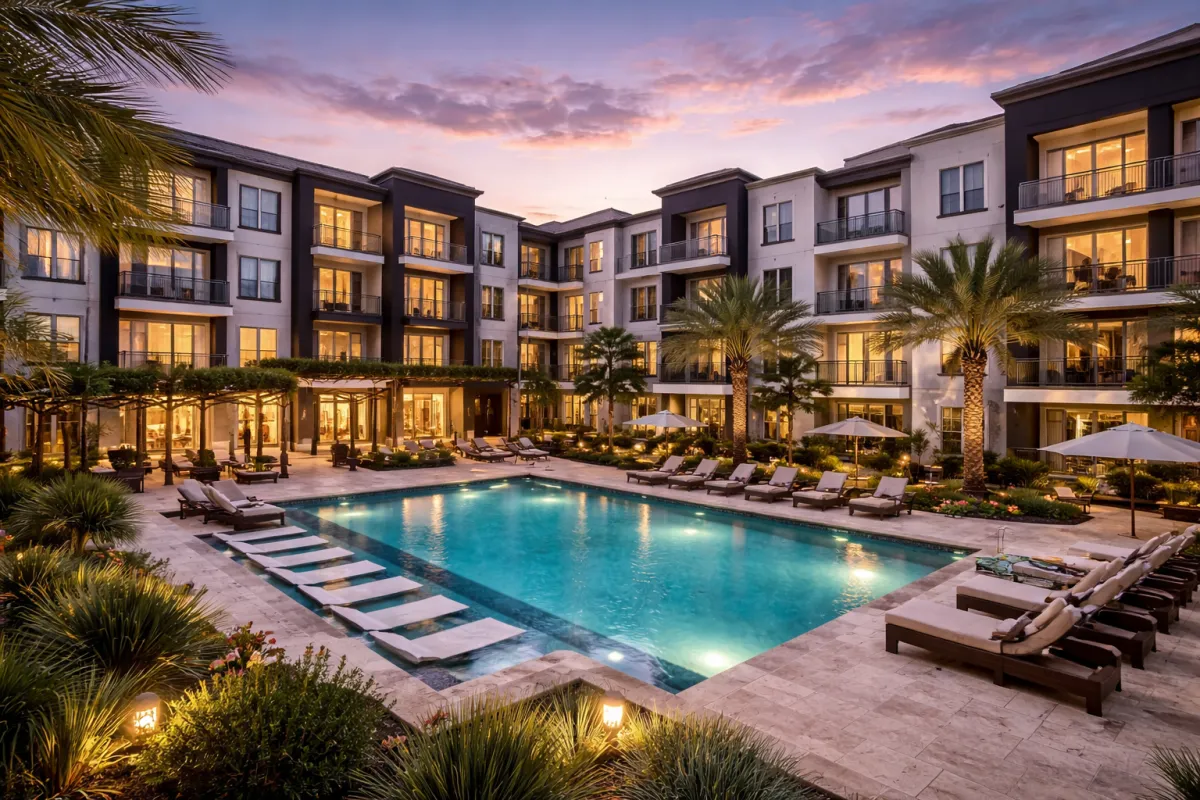
How we build a set that breathes
A common mistake in real estate photos luminis.media teams have seen in rescue projects is overloading every frame with information. Buyers need a place for the eye to rest. We compose with negative space and selective focus where it makes sense, using depth of field to put attention on a material transition or a view path. In dining rooms with long tables, a slight diagonal produces energy without making the room look askew. In baths with mirrors on mirrors, we step off axis and build a frame that reads honest without duplicating the camera. There is a craft to showing a space simply.
Pricing, timelines, and deliverables that suit the market
Budgets on luxury listings vary, but the core economics are stable. Higher budgets buy prep and iteration, not just more megapixels. On a full estate, we may spend a half day scouting and planning and one to two days shooting, then three to five days in post across stills and video. Deliverables typically include 25 to 60 final stills, a master video plus social cuts, and a small bank of vertical frames for reels and paid placements. For brand-forward developers, we add motion plates for later graphics overlays and a handful of ambient audio beds captured on site.
We price transparently, with usage terms that fit real estate realities. Most clients need regional marketing rights for the life of the listing. Developers often want broader rights for ongoing brand collateral. We spell that out so there are no surprises later, and we store project files for a defined window. Luminis Media real estate photographer teams cover multiple markets, coordinate travel efficiently, and keep crews lean to remain nimble without compromising quality.
A short, practical checklist for shoot day
- Walk the home with the agent, confirm priorities, update the shot plan Kill or dim fixtures that create bad color mix, relamp where spares exist Stage micro details, towels, books, plants, and compress clutter into dead zones Clean glass last, then manage reflections with angle and negative fill Review key frames on a calibrated device before striking the set
Simple, repeatable habits like these ensure that even complex homes come together cleanly.
When to choose luminis.media
There are countless image makers who can document a house. Where luminis.media real estate photographer teams add uncommon value is in the combination of architectural literacy, production discipline, and a brand mindset. We speak design with designers, commerce with agents, and logistics with builders. That multilingual approach shows up in the work. The images serve buyers, but they also stand up as brand assets long after the listing closes.
We have built our practice on two beliefs. First, that light, geometry, and timing beat gimmicks every day. Second, that clear collaboration turns difficult properties into iconic portfolios. When a property deserves to be seen at its best, luxury real estate photography Luminis Media is not about pushing a button. It is about making a place feel inevitable, the way the right home feels the first time a buyer steps through the door.