If you ask what separates forgettable listing photos from the images that keep buyers swiping and agents calling, I will start with light, timing, and intent. Gear matters, but it is the judgment behind it that decides whether a house looks like a home buyers can feel or a set of cold rectangles. After thousands of rooms in Greater Houston, from Montrose bungalows to Katy new builds and Midtown high rises, the patterns are clear. The following tips pull from the real jobs, the tricky days with fast weather changes, the vacant flips with unforgiving white walls, and the million dollar properties where small decisions move the needle.
What high performing listing imagery actually does
The goal is not to catalog a house, it is to convey space, function, and a believable mood that fits the target buyer. If a West U family home has a shady yard that is great for kids, we show the dappled light and include a frame from the kitchen sink that overlooks the play space. If a Midtown condo is about skyline proximity, we make the balcony and city view the hero and downplay the tight galley kitchen. That editorial hand is what defines Luminis Media real estate photography on our best days, and it is why agents lean on us to shape the story, not just record it.
Good photos remove friction. Lines are straight, colors look like reality, and the sequence of images leads buyers through the home without confusion. You never want a browser pausing to wonder where a hall leads, or if the bedroom can fit a king. When an agent checks the gallery from their car and says it looks like a magazine yet still honest, that is the line we try to walk on every booking.
Schedule with the sun you actually have, not the one you want
Houston light changes fast, even in summer. We plan exteriors for either early morning when air is cleaner or late afternoon for long shadows and warmer siding. On bright days, east facing fronts look best before 10 a.m. And west facing after 4 p.m. Midday is fine for interiors because the sun is high enough to soften direct beams through windows, but it can flatten exteriors and bake driveways.
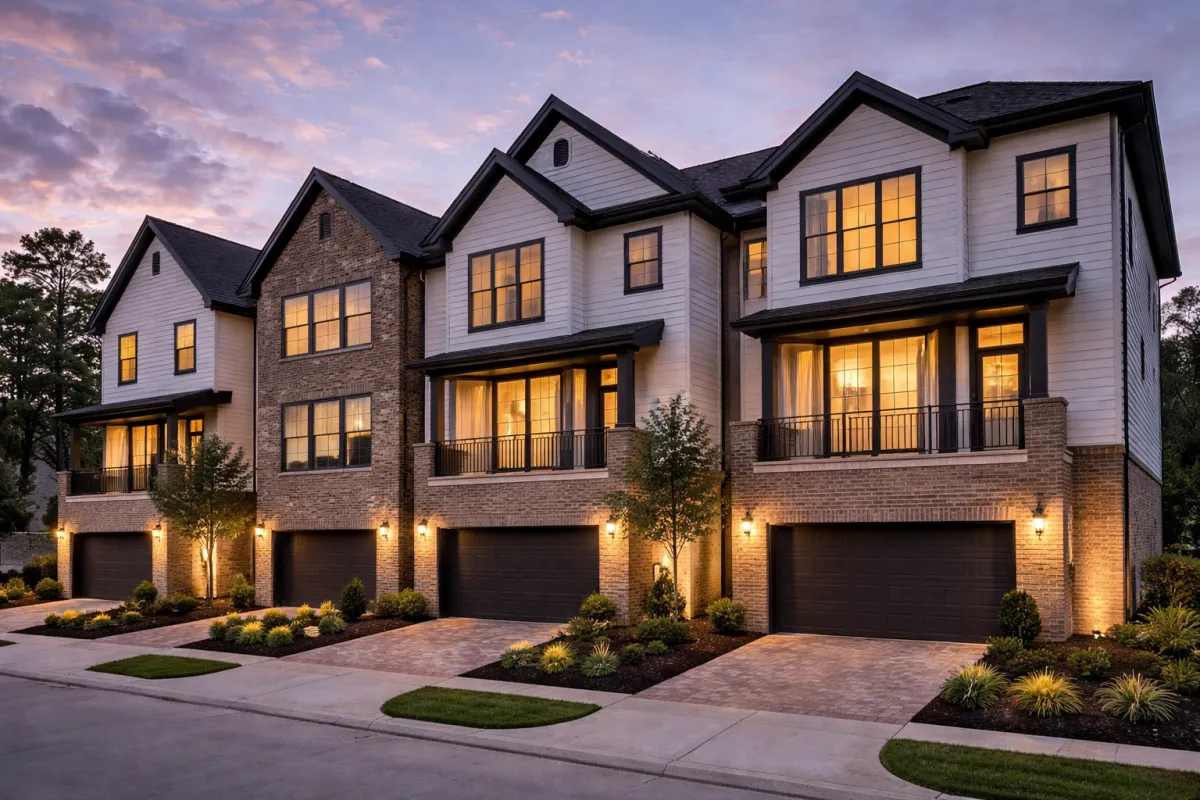
Chasing perfect skies wastes time. If scattered clouds are moving through, I will often start inside, track the light room by room, and step out when the facade falls into open shade. For tight cul-de-sacs where multiple homes reflect into windows, overcast can be a gift. If the home truly needs that pop, we book a twilight add on. Houston’s brief blue hour in spring and fall is worth the setup for pool homes, townhomes with generous glass, and any listing with exterior architectural lighting. Luminis Media real estate photography offers flexible scheduling windows because weather buffers are part of smart planning in this region.
Prepare the property like a set, not a hotel
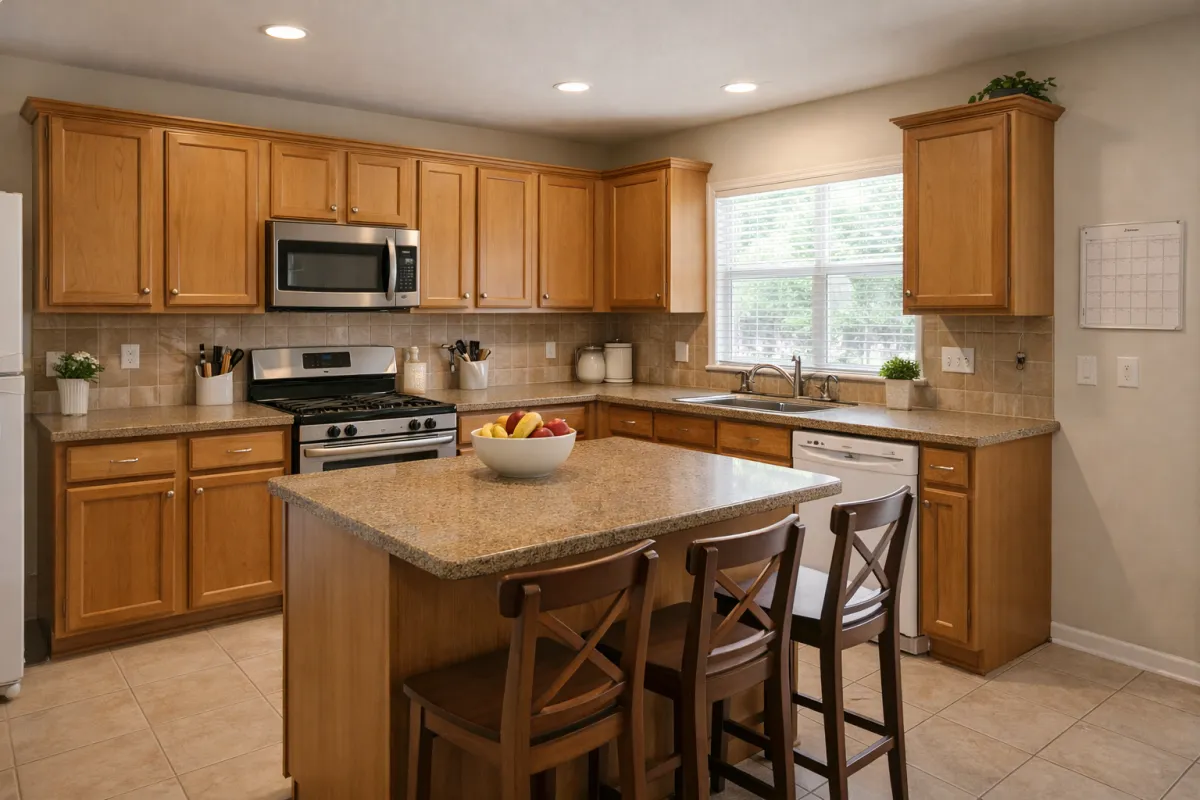
I prefer houses that look lived in, but edited. We keep personality markers that sell, like a tasteful coffee table book or a good fiddle leaf in a bright corner, and remove the magnets, cords, and the box fan that has somehow migrated into every primary bedroom in August. The targets are visual clutter, color noise, and trip hazards.
Here is the concise prep we share with sellers 24 hours before we arrive:
- Clear kitchen and baths to two or three intentional items per surface Hide trash bins, pet bowls, countertop appliances, and shower caddies Replace every dead bulb, match color temperatures where possible Open blinds, set shades uniformly, and remove window screens when easy Park cars out of the driveway and off the curb in front of the home
That list cuts our onsite time and protects the shoot cadence, especially on days with back to back bookings. On vacant flips, we travel with a small styling kit, but I will not introduce props that change expectations. A throw and a plant can bring scale to a room, but staging has its own lane. When needed, we connect clients with stagers and schedule photography after they complete their set.
Composition choices that sell square footage without lying
I carry two workhorse lenses for listing photography Luminis Media delivers most often: a rectilinear wide zoom in the 16 to 35 range on full frame, and a normal prime around 50. The wide shows space and flow, the normal delivers vignettes buyers can feel. The mistake I see from newcomers is living at the widest end. Anything below 18 millimeters on full frame risks stretching corners and warping door frames, which makes rooms feel slippery. Step back, raise the tripod to shoulder height for kitchens, lower it to chest height for living rooms, and keep verticals vertical. If a room is cramped, I will shoot a corner-to-corner frame followed by a secondary angle that shows context from the hall. It is better to show two truthful angles than one dishonest one that makes furniture look doll sized.
We follow a mental map that mirrors how buyers walk a home. On most properties that means front elevation, foyer, main living, kitchen, dining, primary suite, secondary beds, baths, laundry, office or flex, garage if relevant, backyard. If a layout is unconventional, we rearrange the sequence so the gallery flows. Photos that jump around confuse, and confusion kills momentum.
Color accuracy in the land of mixed bulbs
Houston homes mix daylight, warm LEDs, and the occasional fluorescent in garage or laundry. That can turn walls green or orange if you rely on auto white balance. We set a base Kelvin in camera, often 5000 to 5600 for daytime interiors, then finesse in post. If a room has strong tungsten pendants, I may switch to 4000 and let window light go cool. It reads cleaner than the orange cast you get if you try to split the difference. A gray card helps in high end shoots, but quick reality checks work too. Look at a white trim board near a window and a neutral wall in shade, and decide which truth you want. On heavily color cast rooms, I prefer to kill non matching practicals for the wide shots, then turn them on for details.
Getting color right pays off in editing speed and trust. The most common feedback agents share about luminis.media real estate photos is that paint colors look like they do in person. That comes from consistent white balance, not heavy-handed color real estate photography spring tx grading.
Window views and dynamic range without the HDR look
Buyers want to see outside, but they do not need every spiky highlight tamed to gray. We capture a clean interior exposure, then if the view matters, a separate window pull using lower ISO, faster shutter, and a gentle polarizer to reduce glare. For most rooms I blend an ambient frame with a diffused flash frame that cleans color and adds a crisp edge to cabinets and tile. If there is a skyline, lake, or pool, we mask a window layer in post to hold the view. The result is realistic, not crunchy.
HDR brackets have a place on run-and-gun rentals, but unedited HDR with halos and flat blacks will cost you referrals. Luminis Media property photography focuses on a flash-ambient workflow for consistent results under a wide range of interiors. Clients notice the absence of glare on countertops and the believable way a bright patio reads through sliding doors.
Exterior strategy that respects the season
Grass in July is not April green. We will not repaint a lawn, but a light rinse before we shoot deepens color on drives and stone. If the home has a pool, we ask sellers to run pumps and turn on water features 30 minutes before we arrive. Front doors benefit from a quick wipe on glass and hardware. We angle exteriors to minimize utility boxes and coordinate with agents on whether to leave a yard sign in frame. If the facade is in harsh sun, a simple pivot to a three quarter angle often reduces glare without waiting for clouds.
Sky replacements are a tool, not a crutch. I replace only when the sky is white and the property reads flat, and even then I choose light cloud sets that match the day. A deep sunset behind a noon lit facade is an easy way to lose credibility.
High rises, townhomes, and acreage are different sports
Downtown and Medical Center towers require more logistics than a suburban cul-de-sac. We plan for garage height limits, elevators, and security check-ins. If a balcony is tight, I bring a compact travel tripod and a strap, then line up a two frame pano for wider context without fisheye distortion. HOA rules may prohibit drones near balconies, so we rely on nearby rooftops when legal, or a long lens from an adjacent street to suggest setting.
Townhomes with narrow footprints benefit from a vertical storytelling approach. I often open on a tight exterior crop that shows scale, then climb floor by floor with an emphasis on how stairs connect living to beds. Details like handrails, treads, and landing windows help buyers orient across levels.
Acreage listings on the edges of Harris and Fort Bend need time. We schedule longer blocks for walking the fence line, mapping out the best vantage to show pasture depth, barns, and tree coverage. For drones, we check controlled airspace on FAA maps. Within five miles of Hobby, for instance, authorizations may be required or altitude limits imposed. Being a responsible luminis.media real estate photographer means saying no to shots that put the client or pilot at risk. It also means bringing spare batteries, because wind eats flight time faster than you expect.
Aerials and motion that move buyers without making them seasick
Real estate videography Luminis Media delivers is measured and intentional. A slow push through an entry, a lateral slide across an open living kitchen, a gentle gimbal tilt as pendant lights reveal an island. Speed is the temptation, steadiness is the win. Music is licensed, and we keep edits within 60 to 90 seconds for social cuts, two to three minutes for full tours. Vertical 9 by 16 formats have become a standard request, so we compose safe zones that read on both feeds and websites.
For exteriors, drone shots tell context first, beauty second. A 120 foot hover that shows proximity to a park or bayou trail sells lifestyle better than a dizzying spiral. On windy days, we limit aggressive maneuvers and prioritize low altitude passes. For interiors, I avoid whip pans and anything that requires a viewer to pause and recover. The goal is to make the house feel calm and navigable. The best compliment is when an agent says the video felt like a showing.
Floor plans and 3D that spare everyone awkward texts
Buyers ask about room sizes, furniture fit, and layout flow. Floor plans answer those questions before they sour a lead. We offer schematic plans with approximate dimensions, clearly labeled as estimates. For builders and custom homes, we either reference provided plans or refer clients to measurement specialists. Matterport and other 3D scans pair well with high end listings that attract out of town buyers. They take longer to capture, so we budget the time and charge accordingly, with delivery windows that match the additional processing.
Working with agents is a craft of its own
Great images come from clear goals and guardrails. Before a shoot, we ask about buyer personas, must have angles, and any blind spots to avoid, like a construction site next door. We clarify MLS rules on branding in photos and videos, especially for HAR and syndication partners that strip watermarks or reject certain frames. For deliverables, we standardize on web resolution sets for MLS and high res files for print. Turnaround is usually 24 hours for photos, 48 to 72 for video, depending on scope. Rushed edits are possible, but we price them to reflect the actual effort.
Here is a quick agent communication checklist we use internally:
- Who is the buyer and what spaces matter most to them Any time windows for best light or access constraints MLS, brokerage, or builder guidelines we must follow Specific features to highlight or de-emphasize Delivery deadlines, file formats, and marketing uses
Clear expectations prevent reshoots and protect relationships. And when something goes sideways, like a surprise rain band off the Gulf, we call early, propose options, and protect schedule integrity.
Privacy, safety, and ethics travel with you into every room
The camera remembers what we forget. Family names on a chalkboard wall, a diploma on a home office shelf, a neighbor’s license plate, the layout of a safe in a closet. We work with agents to remove or blur sensitive information. Children’s rooms get an extra pass to avoid identifiable posters or team logos that might reveal a school. We also observe Fair Housing guidelines in our copy and overlays. Photos should highlight features and lifestyle without suggesting protected classes or exclusions. That matters legally, and it is simply the right way to represent a property.
Safety matters more than a timeline. We carry shoe covers for muddy lots, respect no entry notes on rooms under construction, and use compact light stands in tight spaces to avoid tipping hazards. On drone days, we fly within line of sight and land if people gather below. A reputation is a thousand small decisions added together.
Editing that feels invisible, even when it takes time
The Luminis Media real estate photos that draw the most compliments rarely announce the edit. Our pipeline is predictable, so agents know what to expect. Basics include lens corrections, vertical alignment, color balancing, and modest contrast to keep whites clean without crushing shadow detail. For flash-ambient blends, we dodge to lift cabinetry, burn to rein in hot windows, and watch metallic surfaces for weird color shifts. Countertops, especially quartz, can clip highlights, so we protect texture there.
Sharpening is tuned for output. MLS downsampling can make images mushy if you export too soft, so we deliver a web set with a little extra crispness at 2048 on the long edge, and a print set at full resolution and lower sharpening to avoid crunchy magazines. Noise reduction is gentle and targeted. We keep skin tones in mind for lifestyle frames with people, but for most listings, it is about materials looking like themselves.
Retouching requests show up in every inbox. We remove minor distractions like cords, wall scuffs, and a small patch on a carpet. We do not erase power lines, structural issues, or neighboring eyesores unless the agent is willing to label them as alternative marketing cuts. Real estate photography luminis.media has its name on should be honest. Buyers will visit. The house must feel consistent.
Pricing, weather holds, and fair reshoot policies
We price by scope, not by how photogenic a house is. Packages cover a set number of images with optional add ons for twilight, drone, video, floor plans, and 3D. If the forecast is volatile, we hold a weather window and make the call three hours out for exterior heavy shoots. For interiors, light rain is rarely a reason to cancel, though we will avoid showing soaked patios unless the agent prefers to wait. Reshoots happen. We reduce or waive fees if the issue was on us, charge reasonably if it is new staging, new paint, or seasonal landscaping.
Clear terms on delivery and usage protect everyone. Most agents need license rights for MLS, social, print, and paid ads. We document that in our agreement so there are no awkward questions when a builder wants to pluck images for a billboard.
Measure success like a marketer, not an artist
The gallery is not the end point. We look at days on market, number of showings in the first seven days, and listing click through rates on portals that provide partner data. When agents can, we A and B test the hero photo on the MLS and watch which frame drives more views in the first 48 hours. Usually it is the three quarter front exterior with a welcoming path line and a lit interior. Sometimes it is the backyard with a big oak. The point is to learn from results, not just from taste.
Video metrics matter too. Completion rates and rewatch percentages tell you if your pacing works. Saves and shares on short vertical reels are the modern equivalent of a buyer circling a listing in the paper. If a certain neighborhood performs well with community shots of cafes and trails, we note it and repeat on the next listing nearby.
Houston specifics that shape the craft
Humidity is an invisible character in every summer shoot. Lenses fog moving from the car to air conditioned interiors. We acclimate gear by leaving it in the entry for five minutes before shooting, and we carry microfiber cloths that do not shed. Afternoon thunderstorms appear from blue skies, so we watch radar, not just forecast apps. Streets can pond in minutes. If the neighborhood has known drainage challenges, we avoid angles that show water pooling after a storm. Buyers will ask.
Local architecture patterns affect our sequences. In older Heights homes with narrow rooms and original trim, I lead with character details like a built in or a clawfoot, then show full rooms. In new builds around Cypress with open living kitchens, we establish scale first, then isolate finishes. West facing glass boxes around the Energy Corridor need careful exposure to avoid banding and ensure thermal film reads neutral. These are micro calls, the sort that come from doing this work where we live.
Why Luminis Media and how we think about partnership
There are many talented shooters in this city. What differentiates Luminis Media real estate photography is a mix of planning, honest representation, technical control, and the willingness to say no to the wrong picture. If an agent asks for a gimmick that will hurt trust, we explain why and offer a stronger alternative. If a home will benefit from a small pre photo punch list, we help the seller get there. Our booking system is straightforward, our delivery galleries are easy to share, and our file naming is consistent across shoots so agents can build a marketing library without digging.
We also evolve with the platforms where buyers live. If a builder needs a set tailored to paid social, we compose hero frames with safe text zones. If a luxury team wants magazine campaigns, we shoot a set at lower ISO, deeper brackets, and micro adjusted color to stand up in print. The same eye that plans a kitchen wide will plan a vertical clip for Instagram that opens on a reveal of the waterfall island. That is the real blend behind luminis.media real estate photography and videography.
Final practical notes agents ask us the most
- How many images do you deliver on a standard residential? Enough to sell the story without padding. For most homes, that is 25 to 40. Larger properties and complex amenities add frames. Do you shoot in the rain? Interiors, yes. Exteriors, if light and safe. Torrential days get rescheduled with priority. Can you remove items digitally? Small distractions, yes. Big changes that alter reality, no. We keep it honest. Turnaround time? Photos in 24 hours. Video in 48 to 72 depending on scope. Floor plans often same day with photos. Do you travel beyond the loop? Regularly. We cover Greater Houston and surrounding counties, with modest travel fees when distance or tolls stack up.
The through line is simple. Think like a buyer, protect the truth of the space, and be meticulous with the details that no one should notice. Do that, and the gallery will do what it is supposed to do, put clients in cars and feet on floors. Whether it is a starter home in Spring Branch, a Tanglewood showpiece, or a quiet Pearland cul-de-sac, the same discipline applies. If you need a partner who treats every listing like it has a job to do, Luminis Media is ready to carry the load.